Anastasiya Kara: Building LiveOps Ecosystems
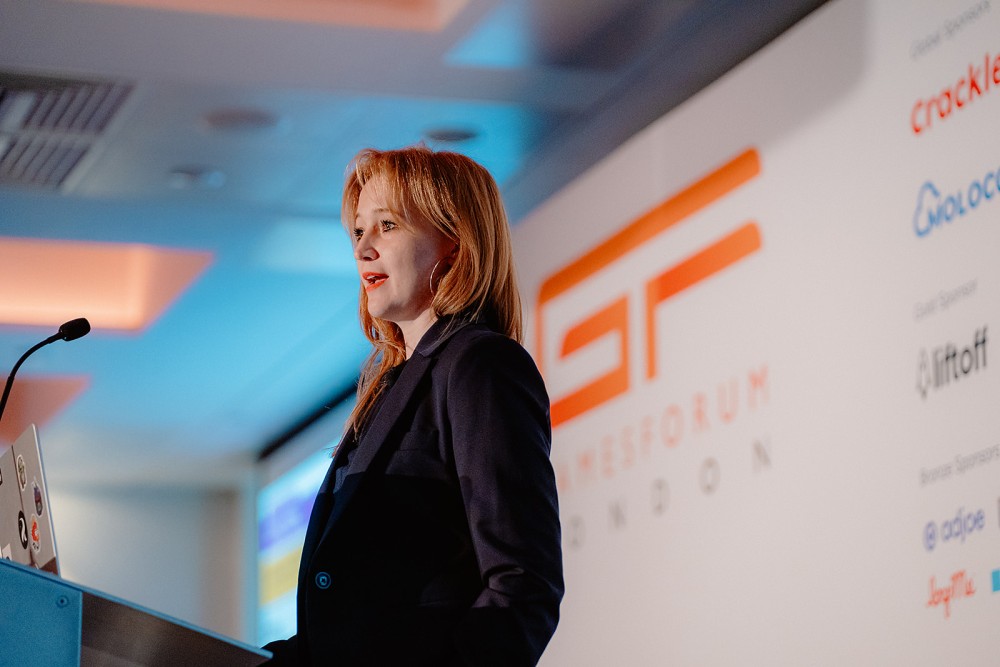
At Gamesforum London 2026, Anastasiya Kara, Lead Product Manager at Rovio explored how modern mobile games can build stronger, more engaging player sessions through a carefully crafted LiveOps ecosystem.
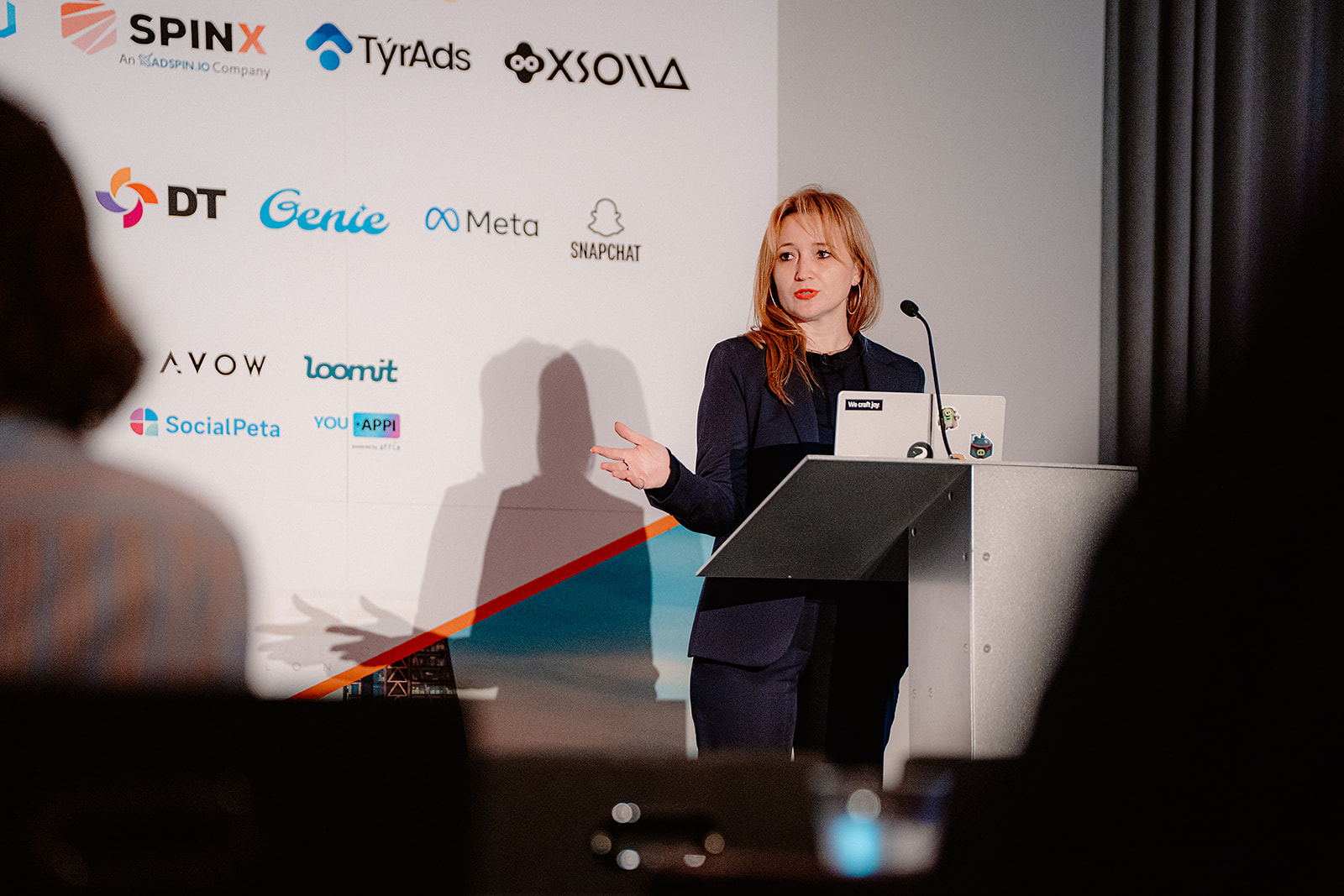
For Anastasiya, the challenge is not necessarily to reinvent the formula. Instead, it is about learning what LiveOps mechanics work, why they work and how they can be combined to create a player experience that focuses on retention.
We all know that the mobile games market is more competitive than ever. Players are now offered a wide range of rewards, social features, and having a strong core gameplay loop is no longer enough.
Anastasiya stated: ‘’We are not reinventing the wheel. We are using the formula that works.’’ She also highlighted that this was particularly important for Angry Birds Match, as it only had just six months to prepare for soft launch and within this time, the team needed to establish a LiveOps foundation that could support the game’s core experience from the outset.
Closing the player loop
For Angry Birds Match, the team had just six months to prepare for soft launch. Its starting point was a simple loop: players complete core levels, progress through events, earn rewards and continue playing.
“We want players to win at the core level. We want players to progress in the events. We want players to get rewards. We need this loop to be closed.’’ highlights Anastasiya.
Anastasiya identified six broad LiveOps motivations: session-based, short-term, long-term, correlated, meta-related and social. While each serves a different purpose, their real value comes from how they connect.
Correlation is particularly important. When players can progress through an event simply by playing the core game, LiveOps becomes an extension of the gameplay rather than a distraction from it.
More than just more events
The growing sophistication of mobile LiveOps also creates a new challenge: many games are now using similar mechanics.
Milestones, tournaments, mini-games, albums and leaderboards have become standard across the casual market. The opportunity isn't necessarily to add more features, but to understand which ones are right for a particular game and how they can reinforce one another.
For Angry Birds Match, this meant building a foundation across different types of engagement rather than trying to replicate every mechanic in the market.
Connecting LiveOps to the game world
Meta features can add another layer, particularly when they connect events to the game's world or IP. For Angry Birds Match, the Movie Collection album uses imagery from the films to give fans another way to engage with the franchise.
“If you are a fan of the franchise of Angry Birds, it's your direct tool to be part of this world.”
Social features can work in the same way. Teams, clans and cooperative events create additional reasons to return, but Anastasiya stressed that social systems need meaningful activities around them: “There should be a team event to emphasise why the teams are important.”
Creating a LiveOps rhythm
Anastasiya also highlighted the importance of the wider LiveOps calendar. Games shouldn't constantly bombard players with high-intensity events. Instead, periods of activity can be balanced with quieter moments that allow players to build towards bigger events.
Using Royal Match as an example, she described how players might spend the week collecting resources before using them in a larger weekend event.
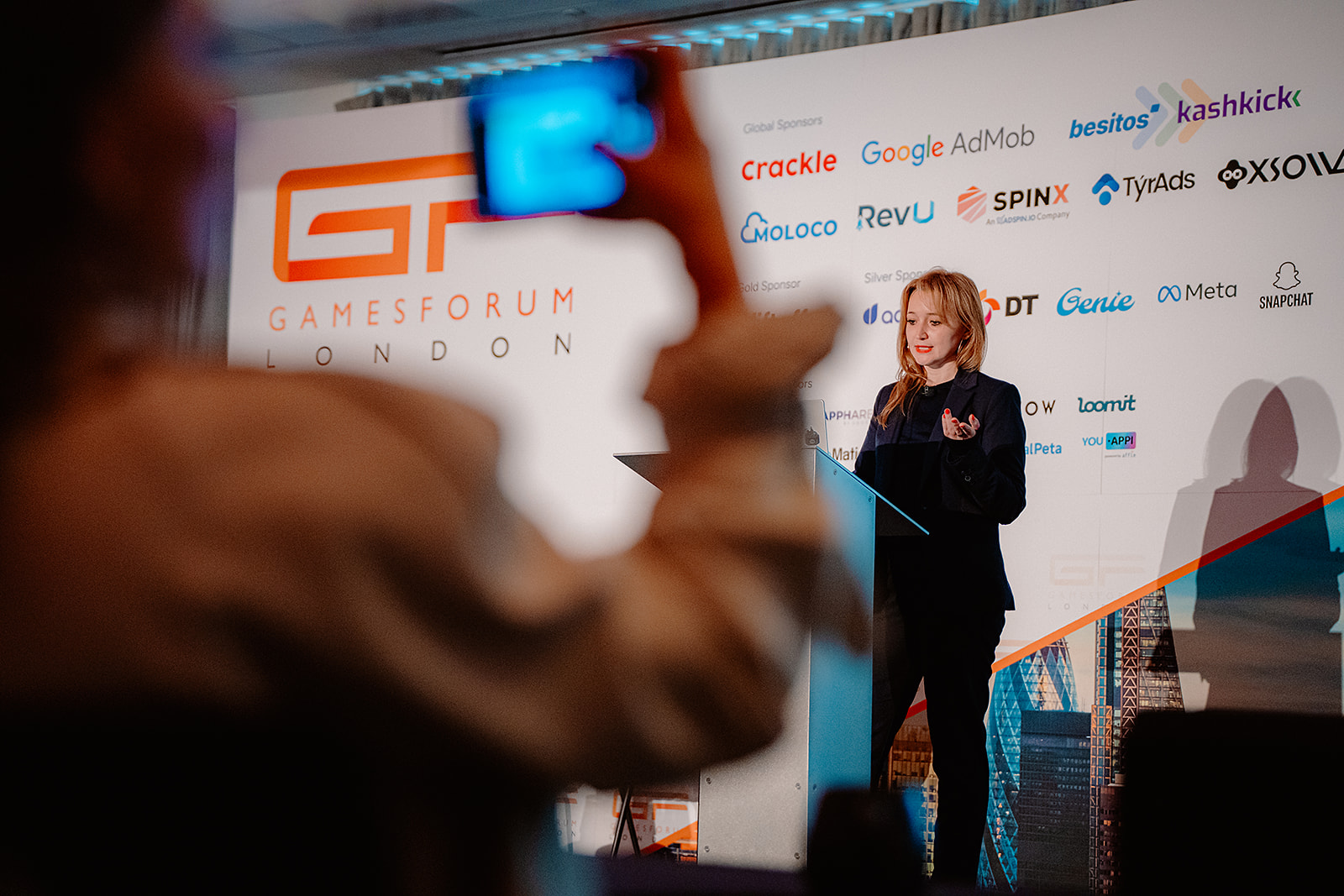
“You cannot have always very interesting stuff happening. You have to have something a little bit stale sometimes.”
This creates a rhythm that gives individual events greater impact while preventing the experience from becoming overwhelming.
The challenge of maintaining LiveOps
For Anastasiya, some of the hardest LiveOps systems are those that require constant maintenance. Albums, for example, can involve large amounts of content and rewards, and need to remain engaging even after players complete them once.
“It's not only creating the feature, it's maintaining the feature.”
For an IP-led game, there is also the challenge of maintaining authenticity. Angry Birds fans expect content to feel true to the franchise, meaning speed and scalability cannot come at the expense of the brand.
Core gameplay is only the beginning
Ultimately, Anastasiya's message is that a great core game is no longer enough on its own. Developers need to understand which LiveOps strategies best suit their audience, then build an ecosystem where those systems reinforce one another.
“Understand why the great core is not enough for your game.” Her advice is to focus rather than try to do everything: “Invest in the top two LiveOps strategies and build fast and smart.”
The goal isn't simply to give players more things to do. It is to create a connected ecosystem where every feature supports the core game and gives players a reason to come back.
Anastasiya Kara will also be joining us at Gamesforum Hanoi, continuing the conversation around LiveOps and player engagement in mobile games. Discover more: Gamesforum Vietnam 2026 | Gamesforum

Home of the Gamesforum events series and leading mobile game analysis. Discover everything you need to know about mobile games marketing and monetization.