Patience, Partners and Fans: What a Major IP Really Asks of a Studio
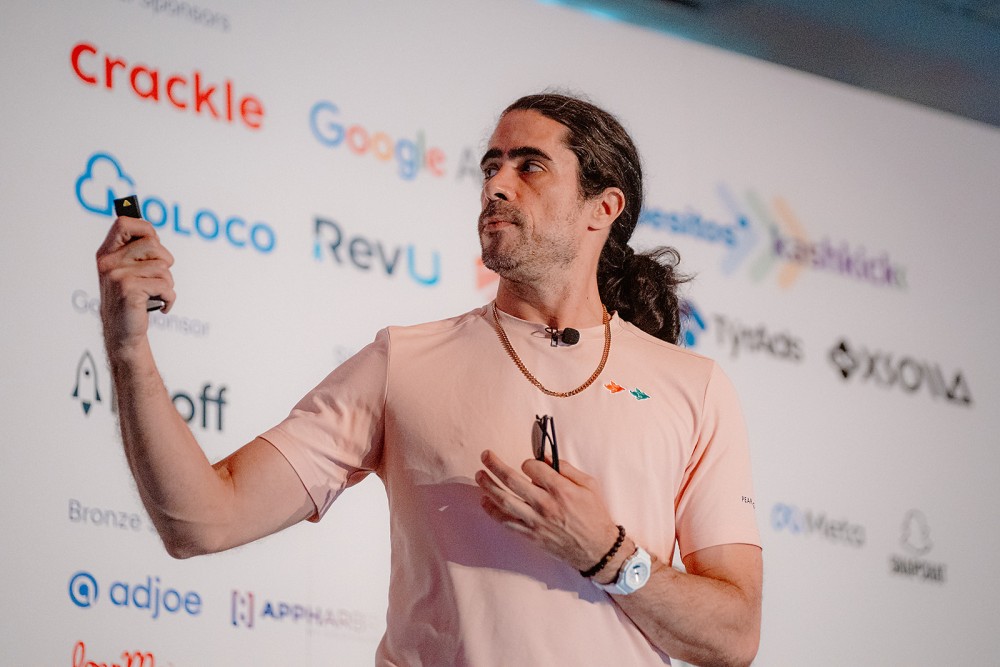
A famous licence brings instant recognition. It also brings partners into every decision you make. Fernando Mafra, Senior Marketing Manager at Stillfront, reflects on bringing managing deadlines, restrictions, and process optimization.
The myth of the built-in hit
A well-known IP looks like a head start. The audience already exists, the world is already built, and the name already sells. But a licence doesn't remove the hard work of making and marketing a game. It adds a layer on top.
Working with a major IP for the first time, Fernando and the team quickly learned the game was never fully theirs.
"We were not the only ones with skin in the game. Our game also belongs to someone else, and this brings a lot of different concerns everywhere, both for them and for us."
Loving the IP is not the same as owning it
The most personal trap is also the easiest to fall into. When a team grows up with a franchise, as many at the studio did with Warhammer, it's natural to arrive with a list of dream ideas.
"You think that you will be able to play with the toys the way that you think you can. You have to put on your professional pants and focus on everything you would for any other game, with an extra layer of concern, because it is someone else's toy. It is not your toy." Fernando explained
Passion is an asset. But it has to serve the brief, not replace it.
The first question: are you ready to give up control?
Before signing a licensing deal, Fernando argues studios should be honest about one thing: control. In an IP partnership, there are two other stakeholders at the table, the rights holder and the existing fanbase.
"You will not be in full control. You have the IP owner and the original IP fans, who also have a stake in it and can have a huge impact if they don't like what you're doing."
The answer isn't to resist that. It's to lean in: research, talk to the IP partner, and use their knowledge to shape decisions, for the marketing as much as the game itself.
Patience is a strategy, not a delay
If there's one lesson Fernando wants other studios to take away, it's patience. Not just with timelines, but with every party involved.
"We tend to think of patience just in terms of time, and it's not just with time. You have to be patient with the IP owner. They have to be patient with you. You have to be patient with all of your external resources."
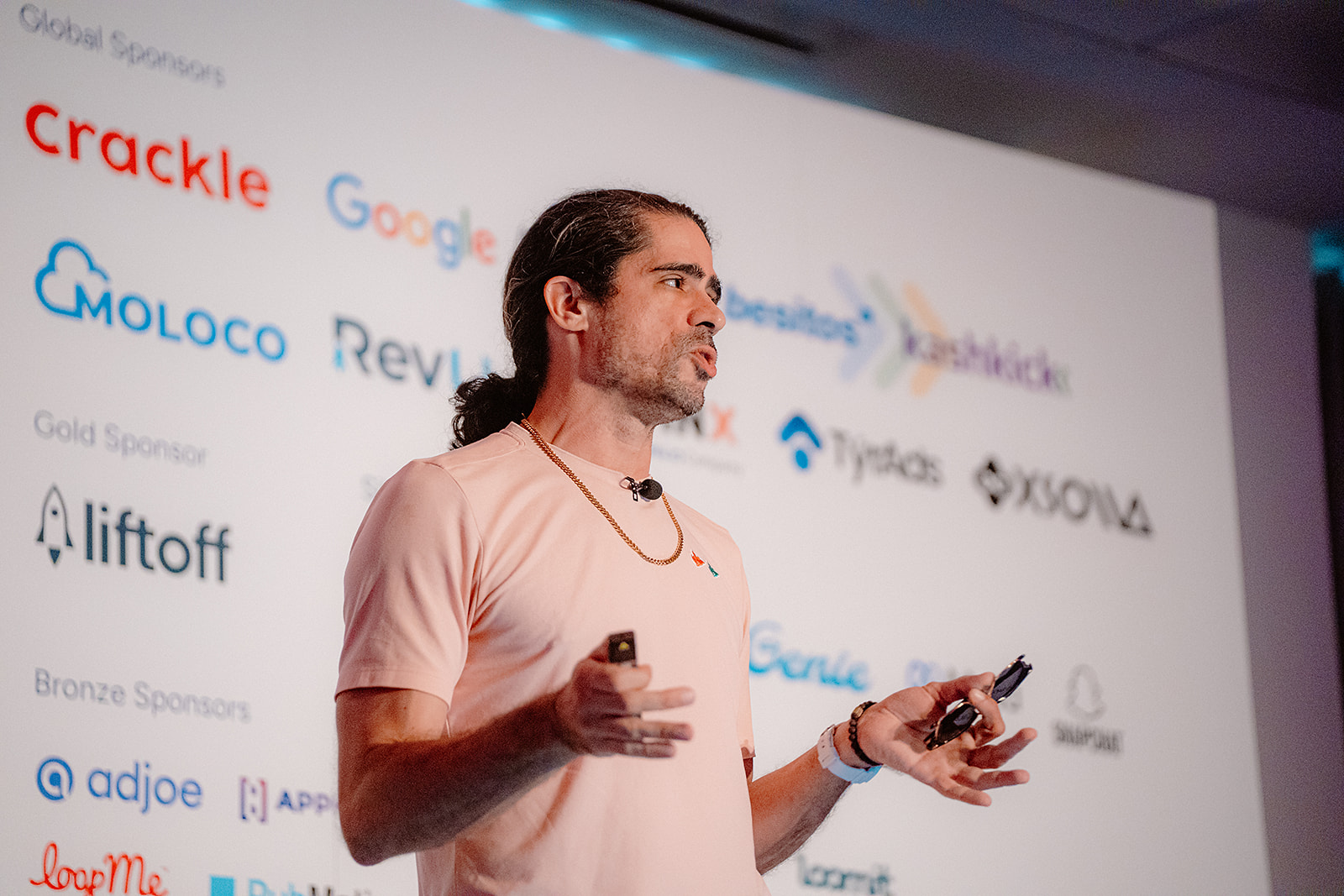
The clearest example: the first UA asset took 104 days to approve. Before it could go live, every element in it needed sign-off on its own, from narration and soundtrack to the map, logo and character models, and at first so did every re-edit, resize and localisation. That isn't obstruction. It's a brand owner protecting what it has built, and some limits are absolute. On Warhammer, AI-generated content isn't allowed anywhere, as Fernando explained during the Q&A at his Gamesforum London talk:
"We need to be in control of anything that is on the screen, and AI does not give us that."
Build the process together
With UA, ASO and PR assets all in production at once, approvals quickly turned into emails everywhere. Rather than add speed, the team added structure: a master control sheet, built with Games Workshop, that shows where every asset stands. A creative strategist later automated file naming and filing, saving hours each week.
The bigger win came from asking. As Fernando put it on stage in London: "Asking for forgiveness does not work with an IP partner, but asking in general is free."
The team asked to skip approval for resizes, re-edits and localisations. Over the months, enough trust built up that they no longer need it.
Plan for the reaction you can predict
Fans will judge a licensed game before they play it. When the studio debuted its trailer at Skulls, Warhammer's annual video game showcase, the team watched the live chat react exactly as expected.
"Oh, this looks amazing, I'm so excited and once they see the App Store logos, they're like, oh no, it's a mobile app."
The backlash was expected, and it didn't need a response. The studio's existing Supremacy community stepped in first. Speaking at Gamesforum London, Fernando said: "Our own fans were there to reassure that we could be trusted with this job to take care of the Warhammer franchise on mobile devices."
The lesson: know the reaction is coming, and don't read it as a sign the game is in trouble.
A partnership, not a shortcut
The takeaway for studios eyeing a major licence is simple: the IP doesn't do the work for you. It changes who you do the work with. The teams that succeed treat the rights holder and the fanbase as partners, accept the limits that come with that, and build patience into the plan from day one.
Twin Harbour is already applying that thinking to its next IP. Before signing, the team asked to run a UA test, sending users to a custom product page to see how well its current audience and channels matched the new brand. The test worked, and the deal is now close to being signed. Ask before you commit.



Home of the Gamesforum events series and leading mobile game analysis. Discover everything you need to know about mobile games marketing and monetization.