Same Metrics, Different Physics: Omri Nygate on why apps and games read the same numbers differently
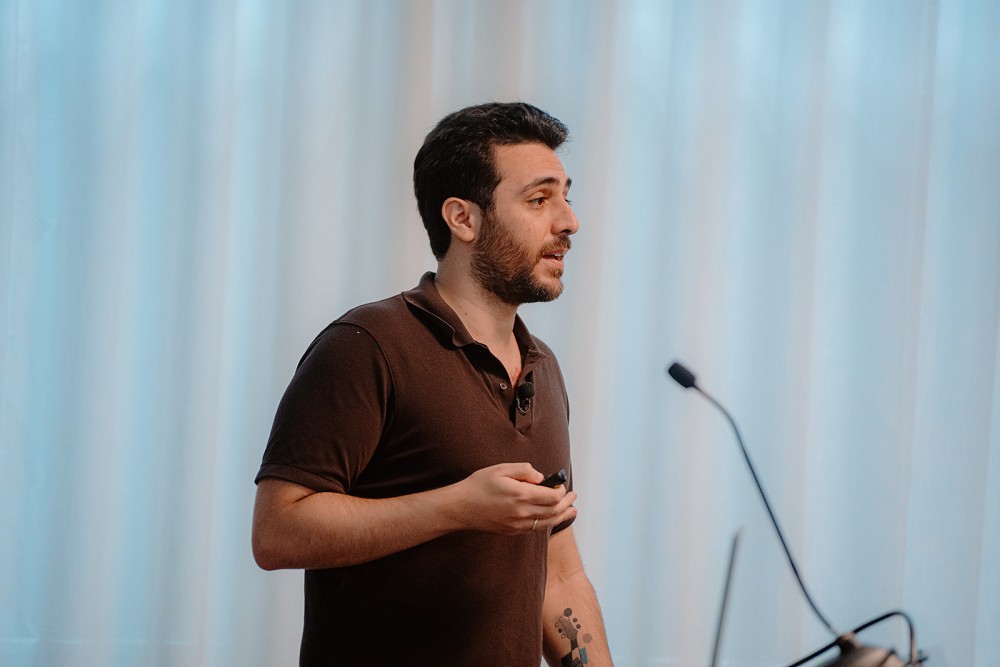
Apps and mobile games track the same things: retention, CPI, ROAS, LTV. But according to Economist & Behavioural Scientist, Omri Nygate, the stories those numbers tell couldn’t be more different.
Ahead of his session at Gamesforum London in September, Same Metrics, Different Physics: Unit Economics in Apps vs Games, we spoke to Omri about where the two models diverge, what apps can learn from games, and what games can learn in return.
From economy design to consultancy
Omri’s background is in product, monetisation and game economy. He has led economy departments at major mobile publishers including Scopely and Voodoo, and has founded his own apps and mobile games along the way.
“I come with a lot of experience in the zero to one, and also when you scale: what is required, what are healthy economies, and the way players or users perceive certain elements in their games.”
He now consults with Plunge Games, an Israel-based consultancy that helps studios grow across UA, monetization and game economy, with Omri focused on the product side.

Same metrics, different stories
The premise of Omri’s talk is simple: apps are increasingly monetizing, and they borrow the same vocabulary as games. “They both think in terms of retention, CPI, ROAS, LTV. But the way to read the story is very, very different.”
In games, he explains, growth works as a kind of arbitrage. Teams weigh the cost of acquiring a player against the value they expect to get back, then reinvest. “I’m going to spend X, that means I’m going to get Y back in a certain number of months, and I’m going to roll this further and further and further.”
Apps don’t work that way, because revenue per user is far more capped. Long-term subscriptions may pay back over a year, which changes the focus entirely. “It’s not just about optimising this growth. A lot of it is about understanding how to increase retention, how you growth hack, stuff like that.”
The room for growth in apps
The misconception Omri wants to challenge is how much headroom apps still have. “Apps are still very young as an industry, and there’s a lot they still have to learn in the way that they monetise in order to get to this very strong growth model that games have.”
It’s a principle he applies to his own work: “I don’t want to be stuck only on the subscription model, this type of fixed revenue. I want to understand how we can cater to more types of players, maybe some players that are less sensitive to prices.”
The light-bulb moment
The idea for the talk came from building his own app, which is still in development. While modelling the concept and studying competitors’ unit economics, the numbers didn’t add up against what he knew from games.
“I know the numbers really well from gaming and I couldn’t understand how certain things worked. That’s when the light bulb went on. We’re using the same ideas, but the way we approach them, the way we model them and the way we forecast ahead is completely, completely different.”
Lessons in both directions
For Omri, the biggest takeaway is what lies ahead for apps. “This is a process that we saw in gaming over the past 20 years, and apps just don’t have a lot of these systems yet.”
But the learning isn’t one-way. Mobile games, he argues, lean heavily on excitement and FOMO, while subscription apps excel at delivering ongoing value that keeps users coming back.
“A lot of games really miss out on providing some genuine support for the players, so that they want to stay and continue on and on. That’s something subscription models tend to do very well. So there’s also some learning we can do on the mobile games side.”



Home of the Gamesforum events series and leading mobile game analysis. Discover everything you need to know about mobile games marketing and monetization.